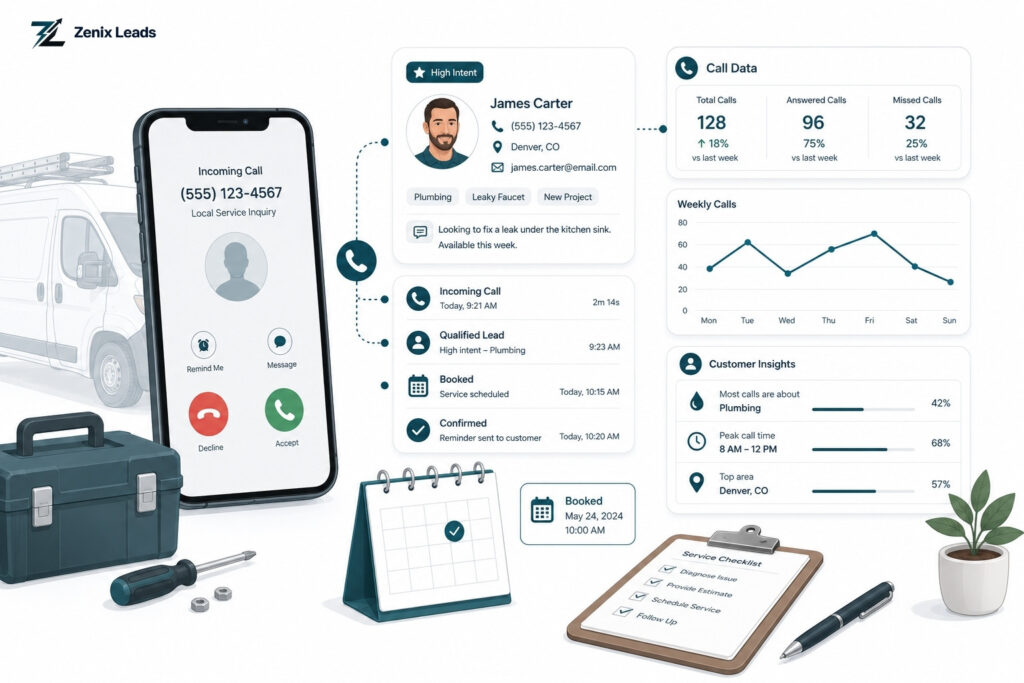


Do you know where your calls come from? Most small business owners do not. That is a big problem. Without that data, you are spending money on ads that may not be working. Call tracking for small businesses solves this by showing you exactly which marketing channels are driving real calls from real customers.
Looking for the best leads, people often turn to Google or get them via word of mouth. Sometimes, yes, this is the case. Without monitoring, it’s only a guess. Playing with marketing money is quick to squander money. Call tracking converts Speculation into Facts!
What Is Call Tracking and How Does It Work?
What is call tracking, and how does it work? It is much simpler than most people think.
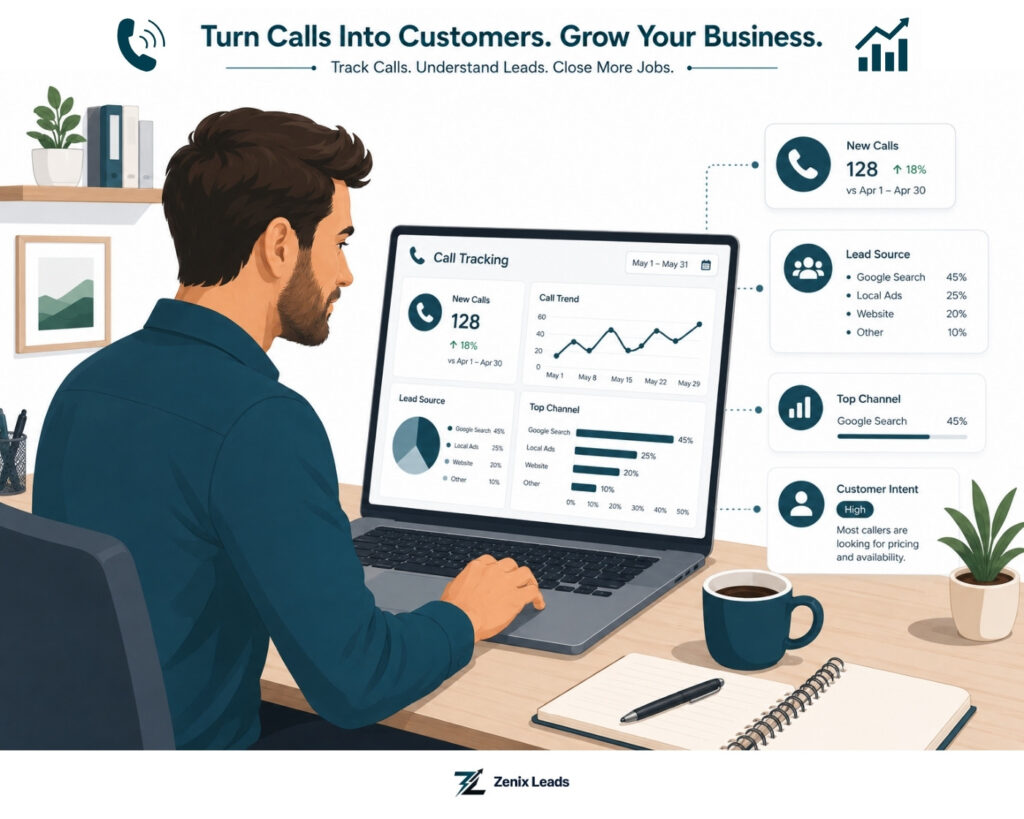
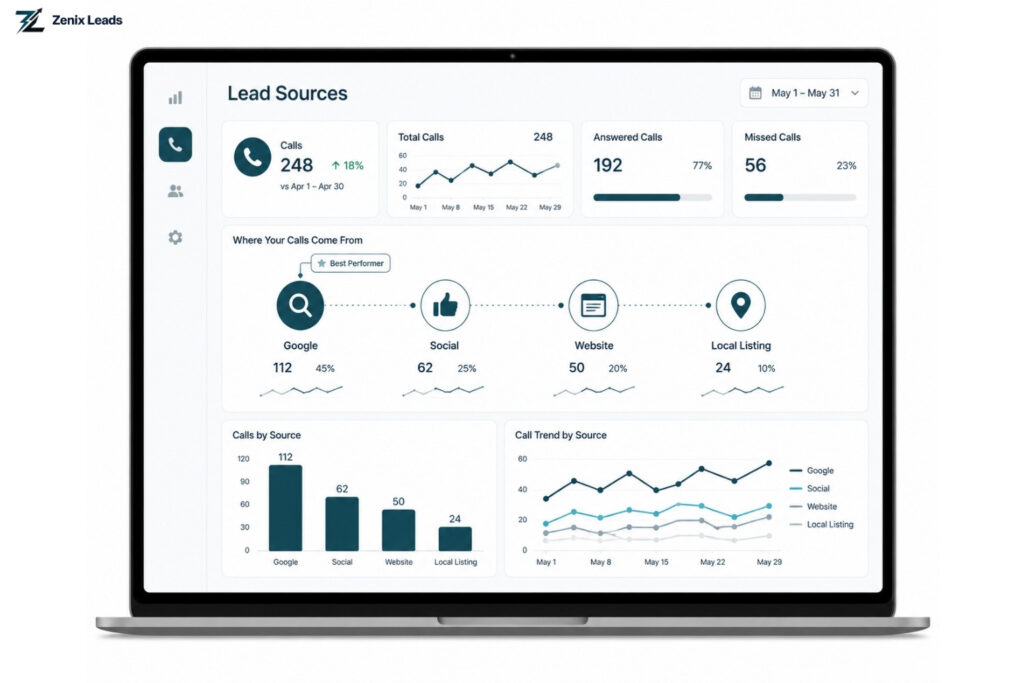
Call tracking tools give each of your ads or web pages a unique phone number. The system remembers the number they used when calling. This is to indicate where that lead has come from – Google, Facebook, local listing, or yard sign.
Permission may be given to make recordings of calls, and one may also view how long a call lasted and determine whether a booking was made. All of this data is collected in one easy dashboard. It is possible to review it at any time and know what does (and does not) work.
For example, if your Google ad drives 20 calls a week but your Facebook ad only drives 2, you know where to put your money. You stop guessing and start making smart choices. That is the real power of call tracking.
Some tools, as well, give you immediate updates in case you neglect to call back somebody. This way, you can get in touch with the person immediately before they leave for a competitor.
Understanding Customer Intent From Phone Calls
Understanding customer intent from phone calls is one of the best things call tracking helps with.
Intent means why someone is calling. Are they just asking for a price? Or do they need help today? The caller who says “My roof is leaking right now,” has a much greater intent than the caller who asks “How much does roof repair cost?”
Patterns become apparent when listening to the recordings of the calls. You learn what questions customers ask most. You learn what objections come up. And you can train your team to handle those calls better.
High-intent callers are more likely to book. People who call with low intent require additional follow-up messages. If you understand the distinction, it will save you time and allow you to target your leads correctly.
Using Call Analytics for Local Service Business Growth
Call analytics local service business owners use can reveal a lot about performance.
You can see your busiest call times and make sure you are staffed for them. You can spot which staff members book the most jobs. And you can find out if your ads are bringing in the right kind of callers.
Most call tracking tools are easy to set up and not expensive. Many work with Google Ads and other platforms you already use. The data they give you is worth far more than the cost.
If you want to grow your local business, start tracking your calls. The insight you get will help you make smarter decisions every single week.